
Beyond Bilingualism: The Mark of a True Professional
There is a growing trend across the U.S. where many bilingual individuals are stepping into the role of interpreter especially in high-demand languages like Spanish without truly possessing the linguistic depth or professional readiness required for such a critical field. While bilingualism is a strong foundation, it is not the same as having the advanced vocabulary, cultural competency and professional register that effective interpreting demands.
Medical Interpreting: Where Accuracy Saves Lives
In the medical field, precise communication is absolutely essential. Lives can depend on a single word or phrase being interpreted correctly. There are formal training courses for medical interpreters and I took one after already having 20 years of experience in the profession. To be honest, I learned very little in that course in terms of technique, ethics or terminology. The curriculum felt surface-level and did not reflect the real-life demands of medical encounters across specialties.
Later I took the national certification exam through the National Board of Certification for Medical Interpreters (NBCMI) and passed. It was difficult and I say that as someone with nearly 30 years in the field. Not many interpreters hold the Certified Medical Interpreter (CMI) credential and I understand why. It takes more than just language skills to pass. It requires a nuanced understanding of anatomy, medical terminology, cultural context and ethical decision-making.
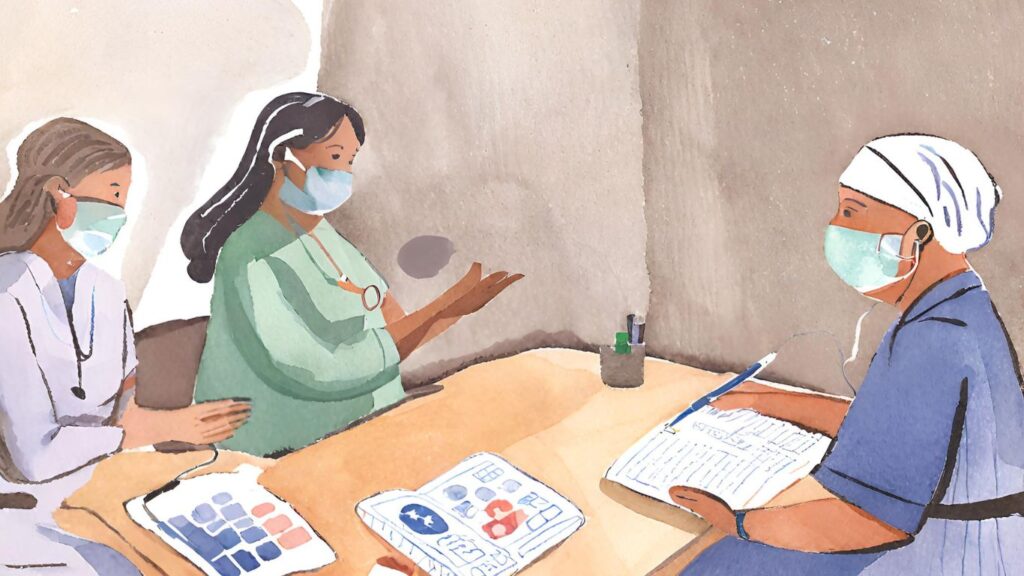
Yet certification alone is not enough. Medical language is vast and constantly evolving. A single training in anatomy vocabulary does not begin to cover what is needed to navigate specialties such as cardiology, psychiatry, oncology or emergency medicine. There must be ongoing education in every area of healthcare including pharmacology, procedures, devices and mental health terminology. Interpreters who specialize in healthcare must commit to lifelong learning, vocabulary retention and consistent note-taking strategies. Unless someone has a photographic memory, note-taking is essential.
Legal Interpreting: Upholding Justice Through Language
This same standard applies in the legal sector as well. Legal interpreting requires deep knowledge of legal processes, terminology and the ability to maintain accuracy without altering the tone or intent of what’s being said. I primarily focus on criminal law and am confident working in that space. However, I would never accept an assignment in tax law because I don’t possess the specialized vocabulary or training for that area. It’s critical for interpreters to recognize their limits and avoid taking assignments they are not qualified or prepared to handle. Misinterpretation in a legal context can affect the outcome of someone’s life, freedom or rights.

Mastering the Craft: Skills Beyond Language
I also understand that sometimes we encounter unfamiliar terms during an assignment. There is a professional and efficient way to quickly look up terminology while note taking and without disrupting the natural flow of communication. That skill comes with practice and experience, and it’s part of what separates a trained interpreter from someone who simply speaks two languages.
The Pitfalls of Unqualified Interpreters
What also concerns me is the rise of interpreting agencies that are hiring contractors from outside the U.S. without proper testing or orientation to our healthcare or legal systems. These agencies often prioritize quantity over quality. They onboard individuals who may speak two languages conversationally but are not equipped to interpret complex subject matter or uphold ethical standards. This creates serious risks for the people relying on those services, whether in a courtroom or an emergency room.
Language Connection: Our Commitment to Excellence
As a seasoned professional and someone deeply committed to this field, I choose to work only with certified or highly qualified interpreters and translators. Through my company, Language Connection, we exclusively work with interpreters who demonstrate advanced language skills, professional conduct and a strong commitment to continuing education. Many of our team members hold advanced degrees and national certifications. We maintain high standards because our clients and the people they serve deserve nothing less.
Interpreting is a profession that requires training, discipline and a deep respect for the responsibility we carry. It is not just about being bilingual. It is about being prepared.
Ensure clear communication in every situation. Contact Language Connection today to discuss your needs, get a quote, or schedule our top-quality interpretation and translation services. Call us or book online now!